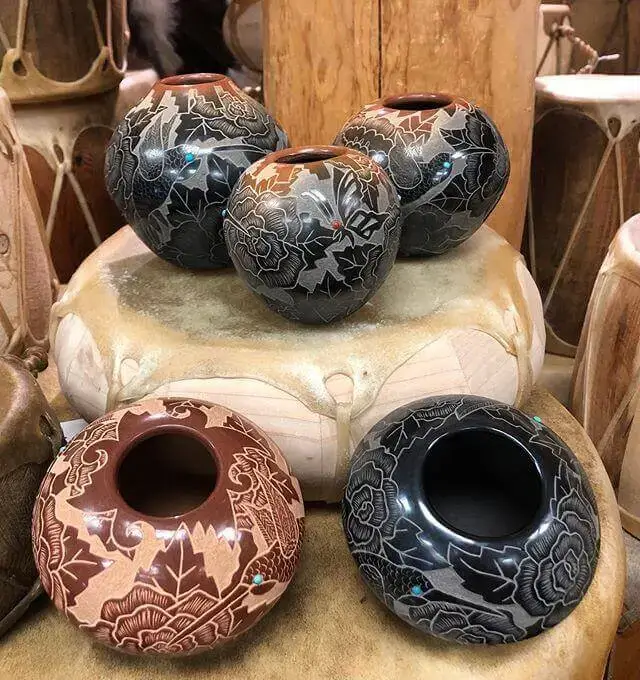



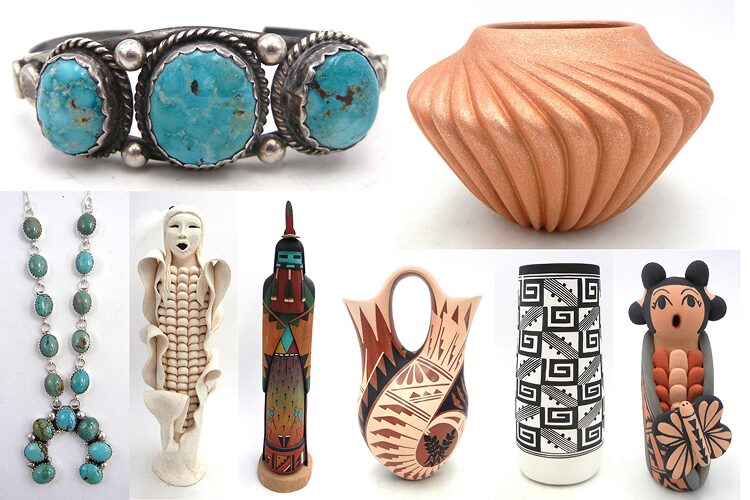
Authentic Native American art holds profound cultural, spiritual, and historical significance. From intricate jewelry to powerful paintings and time-honored pottery, each piece tells a story rooted in Indigenous traditions. For collectors, homeowners, and art lovers, purchasing Native American art is not just a design choice; it’s a way to engage with a living cultural legacy. Choosing the right Native American art requires more than aesthetic appreciation. Buyers should understand the ethical implications, know how to identify authenticity, and explore how Native American art can be integrated respectfully into modern homes. This guide will walk you through research tips, ethical considerations, and how to select and care for Native American art with integrity.
Why Native American Art Matters
Native American art stands as a testament to the rich cultural heritage and artistic traditions of Indigenous peoples across the United States. From intricate jewelry to stunning pottery and vibrant textiles, each piece tells a story of history, identity, and resilience.
Adding a Native American art piece to your home not only enriches your decor but also brings a touch of cultural heritage and history. Native American art encompasses a wide range of styles and mediums, making it possible to find the perfect piece to suit your taste and complement your home.
Researching the Story Behind Your Art
Have you recently purchased a piece of Native American jewelry or art and want to know a bit more about its origins? Learning more about Native American art helps you make informed choices for future purchases, check authenticity, and stay up to date with value.
Use Books Authored by Experts
Many books are excellent resources for collectors. For those focused on Southwestern Pueblo pottery and jewelry, the first and second editions of Pueblo and Navajo Contemporary Pottery and Directory of Artists by Guy Berger, owner of Palms Trading Company, are invaluable. Berger is a second-generation trader and expert, and his guides provide insights into pricing and purchasing. To learn more about artists and the tribal history behind your current collection, consult Hallmarks of the Southwest by Barton Wright.
Check Trusted Websites
To understand what separates authentic Native American art from replicas, consult legal resources such as the Indian Arts and Crafts Act of 1990, which can be found on U.S. government websites. Additionally, tribal websites often include sections dedicated to arts and culture, spotlighting artists and community traditions.
Ask a Reputable Vendor
If you’re buying from a trusted vendor who works directly with Native artists, ask questions. Vendors familiar with the artisans can often provide detailed information about the origin and meaning of each piece.
Choosing Authentic and Ethical Native American Art
When choosing authentic Native American art for your home, it’s crucial to ensure you are purchasing genuine pieces. Authentic Native American art is marked by high-quality craftsmanship, natural materials, and often, a hallmark from the artist.
Look for certificates of authenticity and buy from reputable dealers like Palms Trading Company, who specialize in genuine Native American art. This helps ensure that your purchase supports Indigenous artists and protects cultural heritage.
Buying Native American art is more than just acquiring decorative items; it is an opportunity to celebrate and honor Indigenous heritage. Each piece of art represents a connection to centuries-old traditions, stories, and spiritual beliefs passed down through generations.
The Ethics of Purchasing Native American Art
Cultural Appropriation and Responsible Buying
Cultural appropriation is a major issue in the Native American art market. It occurs when elements of Indigenous culture are used by outsiders without understanding or respect. In art, this can result in the exploitation and devaluation of sacred symbols or designs.
By purchasing directly from Native artists or from galleries that ethically source their work, you help preserve Indigenous voices and craftsmanship. Learn about the artist, their tribe, and the traditions behind their art. This creates a more respectful and meaningful relationship between the buyer and the art.
Support Galleries and Museums That Honor Indigenous Work
Native American art galleries and museums act as stewards of cultural heritage. These spaces allow Indigenous artists to showcase work with dignity and context. When possible, attend their exhibitions or buy directly from their gift shops.
By doing so, you not only support living artists but also ensure that Indigenous stories continue to be told through authentic artwork.
Understanding Symbolism in Native American Art
Symbols play a significant role in Native American artwork, often carrying deep spiritual and cultural meanings. Native American art and symbols can include animal motifs, geometric patterns, and nature-inspired designs.
For instance, the eagle symbolizes strength and freedom, while the turtle represents longevity and endurance. Choosing a piece with symbols that align with your personal values adds emotional resonance and depth to your home decor.
Displaying and Caring for Native American Art in Your Home
Incorporating Native Art into Modern Interiors
Native American art blends beautifully with modern decor. A vibrant Navajo rug can add warmth to a sleek living room, while handcrafted pottery brings texture to minimalist spaces. Choose focal points that showcase the artistry and craftsmanship of each piece.
Mixing traditional and contemporary Native art allows for dynamic, respectful displays that celebrate heritage while expressing your individual style.
Caring for Your Art
Proper care is essential to preserve the integrity of your Native American art. Pottery should be kept out of direct sunlight and humidity, while silver jewelry should be polished gently and stored properly. For paintings or wall art, use UV-protective glass when framing.
Always handle with clean hands and avoid harsh chemicals, as many pieces are made with delicate, natural materials that require thoughtful preservation.
Making an Informed and Meaningful Purchase
Finding the perfect Native American art piece for your home involves exploration, education, and ethical consideration. By learning about artists, symbols, and history, you foster a more meaningful connection with your collection.
When you buy Native American art, you’re not just acquiring a beautiful piece; you’re investing in a living cultural legacy.
Explore Ethically Sourced Native American Art at Palms Trading Company
At Palms Trading Company, we work directly with Indigenous artisans to bring you authentic, ethically sourced pieces. From pottery and jewelry to original paintings and carvings, every item honors the culture, craftsmanship, and story behind it. Choosing the right Native American art can be an enriching experience, and our personal shopper service can guide you through our extensive collection.
Contact us today to begin your journey into the rich and rewarding world of Native American art.