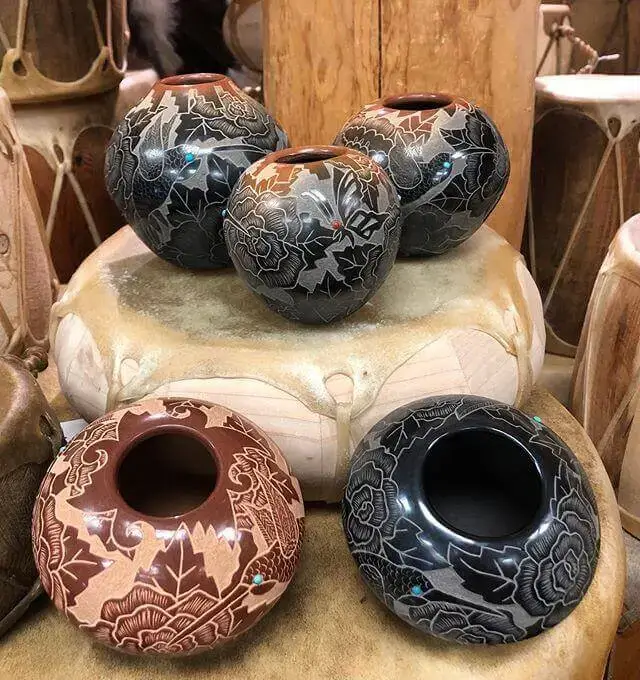




To understand the Native American culture is to recognize a rich tapestry of symbolism, history, and layered meaning, woven into language, art, nature, and spiritual belief systems. From sacred colors and desert creatures to the spiritual significance of gemstones, every element plays a role in how Native communities understand and interact with the world. Whether through pottery, jewelry, or oral traditions, Native American artistry reveals a deep respect for life, land, and identity.
A Deeply Rooted History and Cultural Footprint
Indigenous peoples have inhabited North and South America for tens of thousands of years. Archaeological records show Native American presence in North America dating back over 12,000 years, and even further, 30,000 years, in South America.
The term “Native American” refers specifically to those indigenous to the continental U.S., excluding Native Alaskans or Hawaiians. However, naming preferences vary: in the U.S., both “Native American” and “American Indian” are used, while Canada prefers terms like “First Nations” or “Indigenous.” Always approach these labels with care and cultural sensitivity.
Language, Trade, and Urban Influence
Linguistically, Native cultures are incredibly diverse. Linguist Joseph Greenberg studied over 1,500 Indigenous languages, tracing their roots to three separate migrations from Asia. This linguistic history parallels the richness of trade routes and meeting grounds that once dotted the continent.
Many U.S. cities, like Chicago, Detroit, St. Louis, and Pittsburgh, sit atop what were once thriving Native American trade centers, where furs, food, weapons, and jewelry were exchanged.
Many everyday English words are rooted from Native languages. For instance, “barbecue” derives from the Arawakan word “barabicu,” meaning an elevated wooden frame. Words like tomato, chili, coyote, and chocolate also reflect lasting influences from Indigenous languages.
The Four Sacred Colors of the Navajo
Color carries powerful meaning in Navajo culture. Black, white, blue, and yellow are known as the four sacred colors, each symbolizing a cardinal direction, a sacred mountain, and a core value or element of life.
- Black (Jet) represents power and the north, linked to Dibé Ntsaa (Hesperus Peak).
- Blue (Turquoise) symbolizes knowledge and authority, and is connected to Tsoodzil (Mount Taylor).
- White (Shell) reflects peace and purity, tied to Sisnaajini (Blanca Peak).
- Yellow (Abalone) signifies bravery and the west, associated with Dook’o’oosliid (San Francisco Peaks).
These stones were scattered in the four directions by the First Man in the Navajo creation story, forming the traditional Hogan dwelling and the sacred mountains that frame Navajo territory.
Lizards in Native Southwestern Beliefs
Lizards are common motifs in Southwestern Native American jewelry and pottery, not merely for aesthetics, but for the layered symbolism they carry.
A Symbol of Prosperity and Survival
Desert environments are unforgiving, yet lizards thrive in them. This survival instinct made lizards a symbol of prosperity and endurance. Tribes like the Great Plains even incorporated lizard symbolism into birth rituals, believing it would help newborns succeed.
The Lizard as a Healer
Many lizards can regrow limbs or tails and shed their skin, making them symbols of renewal, healing, and transformation. Navajo stories often tie lizards to resurrection and magic, emphasizing their link to survival and health.
The Lizard as a Spiritual Link
In Hopi culture, the Monongya Katsina, a ceremonial lizard spirit, guides behavior and punishes wrongdoers. Pomo mythology tells of Lizard wrestling a Coyote to decide how humans would look. Lizards won, which is why humans have five fingers instead of paws.
The Power of Gemstones in Mood and Meaning
Gemstones aren’t just beautiful; they are also believed to affect emotions, spirituality, and overall well-being in Native American culture.
Turquoise
Common in Native American jewelry, turquoise symbolizes health, protection, and healing. Its blue-green color evokes water and vitality, even in the arid desert.
Lapis Lazuli
Used for over 6,000 years, lapis lazuli is a stone of wisdom, intellect, and introspection. It’s said to enhance decision-making and deepen one’s awareness of self.
Onyx
Formed through intense geological pressure, onyx is believed to offer strength, resilience, and clarity during hardship. Despite its cloudy appearance, it can be polished to a radiant shine, representing strength through adversity.
Mother of Pearl
Associated with prosperity, success, and innocence, mother-of-pearl is especially revered for its white variety, which symbolizes youth and radiance.
Art, Jewelry, and the Continuation of Tradition
Today, Native American jewelry, pottery, and art continue to reflect generations of tradition and meaning. At Palms Trading Company, we honor these cultural legacies by offering authentic, handcrafted pieces sourced directly from Native artists. Whether you’re shopping for symbolic pottery or gemstone jewelry with spiritual significance, our team is here to help you understand the Native American culture through meaningful pieces rooted in heritage.
If you’d like assistance finding the right item, our personal shopper service offers one-on-one support to help match your style and preferences.
To learn more about our mission and long-standing partnerships with Native American artists, or if you have questions about specific items, feel free to contact us.