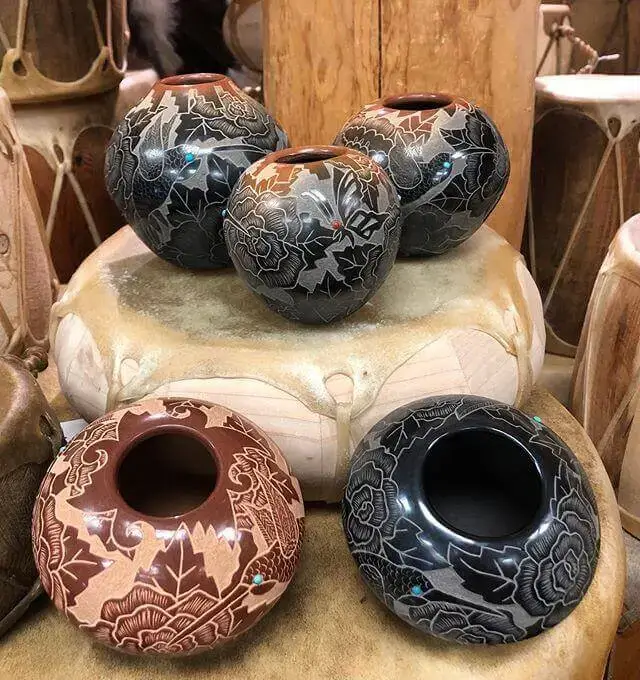



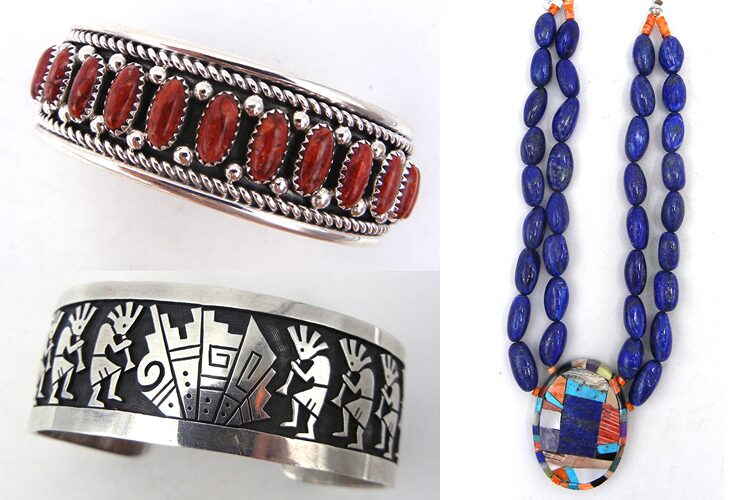
For thousands of years, the history of Native American jewelry has reflected the artistry, identity, and spiritual beliefs of Indigenous communities across North America. From intricate beadwork and hand-coiled designs to powerful symbolism embedded in turquoise stones, every piece tells a story. At Palms Trading Company, we proudly honor this tradition by offering authentic, handcrafted jewelry made by Native American artists. Join us as we explore the rich history, cultural meaning, and enduring legacy of this incredible art form.
The Deep Roots of Native American Jewelry
Origin Stories: From Paleo-Indians to the Silver Transformation
The earliest forms of Native American jewelry date back over 12,000 years, with Paleo-Indians crafting adornments from natural materials like shells, feathers, stones, and bones. These creations were more than decorative; they reflected a deep connection to the environment and the spiritual world.
Over time, ancestral Puebloan communities of the American Southwest refined these techniques, creating beads and pendants from turquoise, shell, and bone. These methods were passed down through generations, laying the foundation for many of the jewelry styles we recognize today.
The Arrival of European Metals and the Transformation of Craft
With the arrival of European settlers, new materials, most notably silver and copper, were introduced. Tribes such as the Navajo, Zuni, and Hopi incorporated these metals into their traditional designs, giving rise to iconic Southwestern styles.
Among the Pueblo communities, silver was first introduced around 1865 through Spanish settlers, and artisans began combining it with turquoise to create striking pieces that continue to define the region’s jewelry aesthetic. While the introduction of metals transformed jewelry, many artisans continued to honor the older traditions of shell, bone, and stone craftsmanship.
Traditional Materials and Techniques
Shell, Bone, Stone, and Early Methods
Before silver and other metals became widely used, Indigenous communities skillfully worked with what nature provided. They shaped and sanded bones, stones, and shells to create beads and ornaments, often threading them with tough plant fibers or animal tendons for durability.
The Introduction of Silverwork
Silver became a transformative material in Native American jewelry. With tools introduced by Spanish colonists, Indigenous silversmiths, particularly among the Navajo and Pueblo tribes, began creating bold, symbolic pieces combining silver with regional turquoise. This pairing would come to define much of the Southwest jewelry tradition.
Heishi and Beadwork: Cultural Craftsmanship
Shell beadwork, especially traditional heishi, became a staple among Santo Domingo (Kewa Pueblo) artisans, who continued the ancient method of hand-rolling and stringing shell slices into delicate strands. Beadwork as a broader art form was further influenced by European glass beads introduced in the 1500s, blending new colors with old techniques.
Cultural Significance and Spiritual Meaning
Jewelry as Status, Currency, and Sacred Symbol
Jewelry in Native American culture has always been more than just adornment; it holds deep cultural significance. Historically, it served as a marker of status, with specific pieces often indicating wealth, social standing, or tribal affiliation. For nomadic tribes, jewelry also acted as a form of currency, exchanged during trade or used to settle debts. This functional role made jewelry central in daily life and spiritual practices alike.
Moreover, jewelry was and still is intertwined with ceremonial life. Many pieces have spiritual meanings, acting as amulets to offer protection, bring good fortune, or ensure a connection to the spiritual world.
Symbolism of Animals, Nature, and Spirit
Every element of Native American jewelry carries a distinct spiritual or cultural meaning, often reflecting the natural world. Turquoise, for example, is considered a sacred stone across many tribes, believed to offer protection and bring positive energy.
Symbols like the bear, representing bravery and wisdom, or the thunderbird, symbolizing strength and power, frequently appear in jewelry designs. By wearing such jewelry, individuals connected themselves to their heritage and the divine forces guiding their lives, honoring the land and their place in it.
Turquoise: The Sacred Stone of the Southwest
Turquoise holds a revered place in Native American culture, especially among Southwestern tribes like the Zuni, Navajo, and Apache. This vibrant stone not only adds beauty to jewelry but also carries profound spiritual significance. Known for its striking blue and green hues, turquoise is seen as a stone of protection, believed to guard against negative forces and ensure safety during travel or battle.
Turquoise in Different Tribes
Zuni: Needlepoint, Petit Point, and Gendered Symbolism
The Zuni people are particularly well-known for their exceptional craftsmanship with turquoise. Some of the signature techniques used by Zuni artisans are needlepoint and petitpoint stonework, where turquoise stones are meticulously cut and set into fine silver to create detailed and intricate designs.
For the Zuni, turquoise also carries gender-specific symbolism. Blue turquoise is often associated with masculinity, while green turquoise is connected to femininity. This reflects the Zuni belief in the power of nature and the balance between male and female energies.
Navajo: Protection, Coming of Age, and the Goddess Estsanatlehi
Among the Navajo, turquoise holds strong ties to protection and spiritual strength. Warriors were often gifted turquoise jewelry to safeguard them before going into battle, and it was worn during important life events, including coming-of-age ceremonies. The stone was also seen as a symbol of respect for the goddess Estsanatlehi, representing the feminine and nurturing force of nature.
Apache: Skill, Strength, and Hunting Traditions
In Apache culture, turquoise has a different meaning. The stone is linked to strength and skill, especially in relation to hunting. Apache hunters would attach turquoise to their bows to enhance their aim and accuracy. The stone was also associated with the rain, symbolizing renewal and vitality at the end of the rainbow.
Healing, Energy, and Contemporary Meaning of Turquoise
Beyond its physical beauty, turquoise is considered a stone with powerful healing properties. In holistic practices, turquoise is believed to promote calmness, reduce stress, and even bolster the immune system. Its soothing energy is said to bring emotional stability, fostering a sense of serenity and balance.
Additionally, turquoise is thought to help balance the body’s energy, soothe emotional distress, and even enhance mental clarity. This belief in turquoise’s healing power is a testament to the deep connection Native American peoples have to the land and the energies they believe flow through it.
Many individuals today wear turquoise jewelry not just for its aesthetic value, but for its grounding and protective energies. This continues a tradition that stretches back thousands of years, as turquoise has long been seen as a bridge between the physical and spiritual worlds.
Native American Jewelry in Modern Culture
Timeless Style and Everyday Integration
Native American jewelry is as relevant today as it was when first crafted. Its timeless beauty makes it a central part of modern fashion, seamlessly blending with contemporary styles. Whether it’s a striking turquoise necklace, elegant Navajo silverwork, or a vibrant Zuni bolo tie, these pieces continue to make bold statements in fashion and style.
Collecting Authentic Jewelry Today
For collectors and admirers of Native American jewelry, there is no better time to acquire authentic, handcrafted pieces. By purchasing directly from artisans or trusted retailers like Palms Trading Company, you not only acquire a beautiful piece of art but also help preserve the rich heritage of Indigenous craftsmanship.
Where to Buy Authentic Native American Jewelry
At Palms Trading Company, we are proud to offer a wide selection of genuine Native American jewelry, from turquoise rings and earrings to handcrafted necklaces and bracelets. Each piece reflects the rich history of Native American jewelry and is created by skilled Indigenous artisans, ensuring the highest quality and authenticity. Whether you’re a seasoned collector or new to this, we’re here to help you find the perfect piece to suit your style.
Contact us today or visit our shop in Albuquerque, New Mexico, to experience the beauty, craftsmanship, and history of Native American jewelry firsthand!