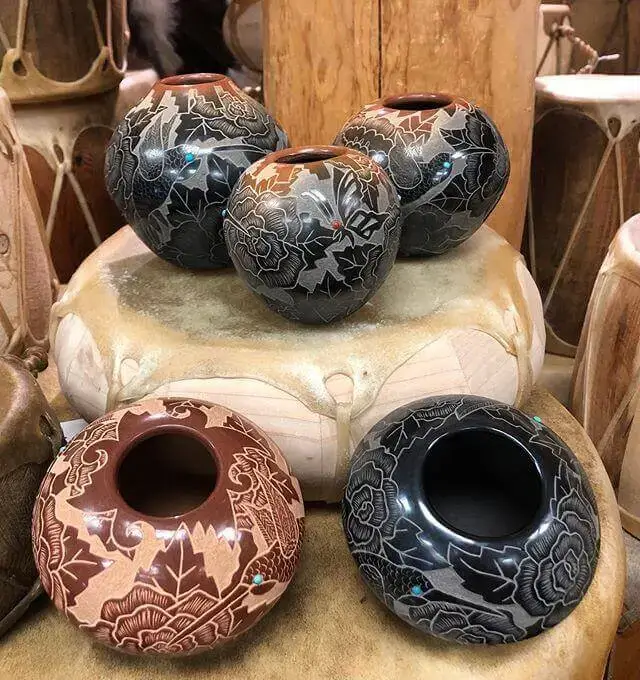



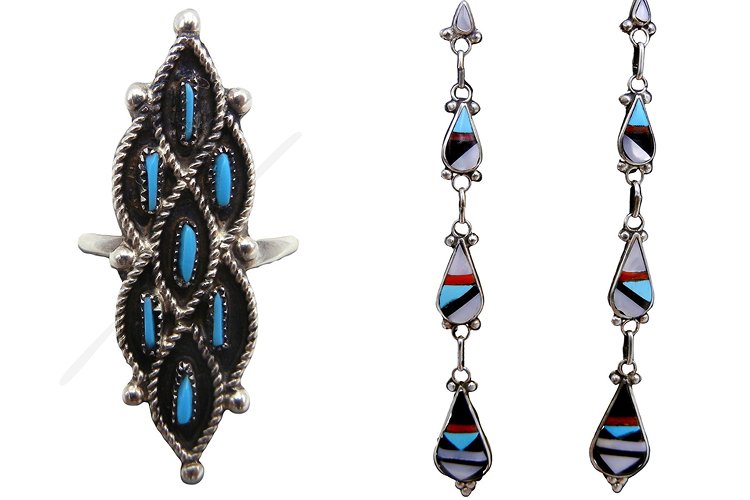
Zuni jewelry is one of the most celebrated expressions of Native American artistry, known for its precision, symbolism, and vibrant design. Handcrafted by Zuni artisans from western New Mexico, these pieces showcase hallmark techniques like needlepoint, petit point, mosaic inlay, and channel inlay. More than ornamentation, each piece reflects the history and meaning behind Zuni jewelry, rooted in a deep connection to land, spirituality, and heritage, making it both wearable art and cultural testimony.
The History and Cultural Roots of Zuni Jewelry
Ancient Beginnings & Cultural Significance
Zuni adornment began long before silver was introduced, with artisans using shell beads and natural stones for trade, ceremony, and personal use. In the late 1800s, silversmithing entered Zuni tradition, thanks to teachings from neighboring Navajo craftsmen. Over time, Zuni artists combined their intricate stone-cutting skills with silverwork, forming a unique jewelry style that has become globally admired for its beauty and cultural depth.
The Cultural Meaning Behind Zuni Jewelry
Symbolism & Spiritual Significance
Zuni designs are rich with meaning. Animal carvings, such as bears, eagles, wolves, and mountain lions, are believed to hold spiritual power, often worn for protection or strength. Symbols like the Sunface or rainbird connect the wearer to nature’s cycles, rain, fertility, and harmony. Jewelry also plays a role in religious ceremonies, including the Shalako festival, reinforcing its function as both art and sacred tradition.
Traditional Techniques in Zuni Jewelry Making
For generations, Zuni artisans have perfected intricate lapidary methods requiring patience and close attention to detail. Each stone is cut, polished, and set by hand, with techniques taught through family lines. These skills remain foundational to Zuni cultural identity and artisan reputation.
Lapidary Techniques
Inlay
Inlay involves setting carefully cut stones into silver to create a flush, polished design. In mosaic inlay, stones fit tightly side-by-side, while channel inlay separates stones with fine silver borders. Both techniques highlight expert craftsmanship and storytelling.
Petit Point and Needlepoint
Petit point uses tiny round or oval stones arranged in floral or circular clusters. Needlepoint features thin, elongated stones in symmetrical patterns. These are especially common in rings, bracelets, and earrings, showcasing the artisan’s ability to work at a micro scale with perfect alignment.
Channel Inlay
Channel inlay differs from mosaic inlay in that each stone is framed with metal, creating a bold, structured appearance.
Types of Zuni Jewelry
Zuni jewelry includes a variety of wearable forms that showcase both traditional technique and modern creativity.
Earrings, Rings, Bracelets & Necklaces
Zuni earrings range from modest studs to elaborate dangles, each featuring carefully cut stones and symbolic imagery. Rings often showcase petit point or needlepoint work and can contain dozens of tiny stones, each polished and placed by hand. Bracelets vary from sleek silver cuffs to ornate multi-stone bangles adorned with traditional motifs like birds or feathers.
Zuni Necklaces are among the most prized forms, often featuring pendants or squash blossom motifs, and can serve as ceremonial pieces or family heirlooms. Materials used include turquoise, red coral, mother-of-pearl, and jet, all selected for their symbolic and aesthetic value.
Fetish Jewelry and Fetish Necklaces
Long before the rise of silverwork, the Zuni were already experts in carving small fetishes, animal figures imbued with spiritual meaning. Traditionally made from turquoise, shell, or coral, these figures were used in ceremonies and believed to channel the power of the animals they represented. Over time, these carvings were strung into fetish necklaces, interspersed with beads and smaller stones.
Zuni fetishes remain highly collectible today, valued both as spiritual items and as examples of fine lapidary art. Their meanings continue to be deeply respected by Zuni artisans, with each carving offering insight into the beliefs, symbolism, and cosmology of the tribe.
Notable Zuni Fashions & Styles Over Time
While Zuni jewelry is deeply rooted in tradition, it has also evolved through innovation and outside influence. One pivotal figure in its modern development was C.G. Wells, a non-Native trader who, in the 1930s, encouraged Zuni artisans to expand their techniques and provided access to new tools and materials. Wells saw the potential for Zuni jewelry to appeal to a broader market, particularly tourists traveling by railroad or along Route 66, helping artists refine their work for a commercial audience without losing its cultural essence.
Thanks to this exchange, Zuni jewelry reached new heights of visibility and creativity, with artists experimenting with more complex stone arrangements and materials while still honoring traditional designs.
How to Identify Authentic Zuni Jewelry
Quality & Craftsmanship
Genuine Zuni jewelry is unmistakable when examined closely. Each stone is meticulously cut, shaped, and polished, then set by hand into a sterling silver framework. Authentic pieces will show precision in symmetry, smooth settings, and a balanced design. Machine-made knockoffs may look similar from afar, but lack the detail and individuality found in true handcrafted items.
Materials and Hallmarks
Authentic Zuni jewelry is crafted using high-quality semi-precious stones set in.925 sterling silver. Many genuine pieces are signed by the artist with hallmarks, initials, or unique symbols stamped on the reverse side. These marks, along with provenance documents or information from reputable sellers like Palms Trading Company, help authenticate the work and trace each piece back to its creator or the Zuni Pueblo.
Weight, Feel & Price
Authentic Zuni jewelry has a noticeable weight, reflecting the use of solid silver and genuine stones. pieces that feel too light, flimsy, or are priced far below market value may be a reproduction or imported imitation. High-quality Zuni jewelry is an investment, not just in a physical object, but in the preservation of cultural heritage.
Collecting Zuni Jewelry Today
For collectors, Zuni jewelry offers more than aesthetic beauty; it represents a deep connection to Native American art and tradition. Vintage pieces are especially valued for their history, but contemporary Zuni artisans continue to create stunning work that blends traditional methods with modern style.
Whether you’re a first-time buyer or a seasoned collector, working with trusted sources ensures you are getting an authentic piece that respects and supports the Zuni community.
Celebrating Zuni Craftsmanship
Zuni jewelry is far more than a decorative accessory; it’s a tangible link to centuries of tradition, spiritual belief, and artistic innovation. Each piece is a living story, deeply intertwined with the history and meaning behind Zuni jewelry, connecting the wearer to the land, the people, and the sacred symbols of the Zuni Pueblo. By appreciating, collecting, and wearing authentic Zuni jewelry, we not only celebrate Indigenous creativity but also help sustain the artisans and communities who continue to bring this remarkable art to life.
Connecting with Culture Through Trusted Sources
Understanding the cultural significance and artistry of Zuni jewelry is only the beginning. To ensure you’re honoring the tradition responsibly, it’s important to purchase from trusted sources like Palms Trading Company, where authenticity and artist relationships are a top priority. Our team offers a personal shopper service to help you confidently select pieces that align with your style and appreciation for Native craftsmanship.
If you’re curious about our values and long-standing relationships with Native American artisans, we invite you to learn more about our mission and the steps we take to ensure ethical practices.
And if you need assistance or have questions about Zuni jewelry provenance, care, or availability, please don’t hesitate to contact or email us today. We’re here to guide you with respect, knowledge, and a deep appreciation for this enduring art form.