


Authentic Native American jewelry, particularly turquoise pieces, is highly valued for its beauty, cultural significance, and craftsmanship. To keep these treasures looking their best for years to come, it’s important to know how to clean Native American jewelry properly and care for it with attention to its unique materials. This comprehensive guide walks you through everything you need to know about maintaining your turquoise, sterling silver, and inlay Native American jewelry.
What Makes Turquoise Jewelry Unique?
Turquoise is a blue-to-green mineral prized for its vibrant color and historic use in Native American jewelry. Found in arid regions like the Southwestern U.S., Iran, and Egypt, turquoise varies in color based on copper and iron content.
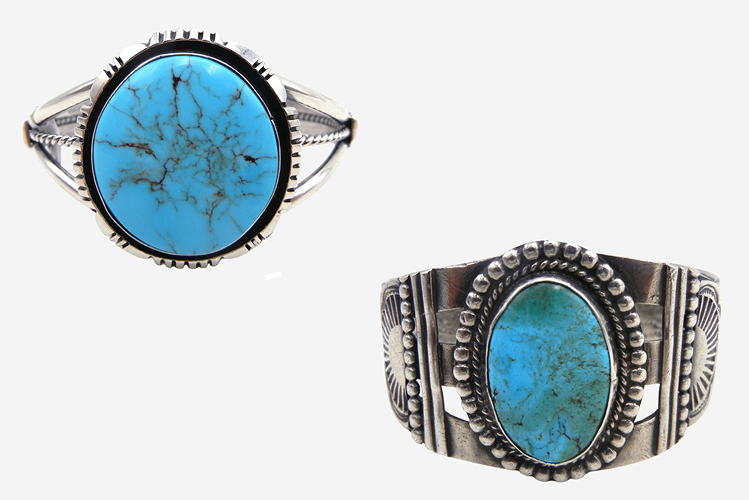
Turquoise is often paired with silver and used in a variety of jewelry pieces such as rings, necklaces, bracelets, and earrings. It is porous and relatively soft, with a rating of 5 to 6 on the Mohs scale, making it susceptible to damage without proper care.
A Brief History of Turquoise in Native American Jewelry
Turquoise has been cherished for over 5,000 years, used by ancient Egyptians and held sacred by Native American tribes. The Navajo, Zuni, and Hopi tribes, in particular, have incorporated turquoise into their jewelry for centuries.
Among the Navajo, turquoise jewelry has symbolized wealth, protection, and spiritual significance since around 200 BCE. Today, the tradition continues with artisans crafting modern pieces using ancient techniques.
Best Practices for Cleaning Native American Jewelry
General Cleaning Tips
Native American jewelry should be cleaned gently to protect delicate stones and metals. Use a soft brush or lint-free cloth to remove debris. Never use abrasive cleaners or harsh chemicals.
If your piece includes sterling silver, a mild silver polish applied with a soft cloth can restore shine. Avoid submerging jewelry in water.
Regularly inspect your jewelry for loose stones or broken clasps and address issues promptly with professional repair.
Cleaning Turquoise Jewelry Safely
Avoid soap-and-water solutions, as moisture can damage turquoise or loosen it from its setting. A dry, lint-free cloth is your safest option for routine maintenance.
If your turquoise is glued into its setting, never soak the jewelry. Instead, dip a soft brush into a turquoise-safe solution and gently clean the piece.
For Turquoise Set in Silver
Avoid submerging turquoise and silver pieces. Instead, apply a tiny amount of cleaner directly and brush it into the crevices. Rinse with room-temperature water and dry with a lint-free cloth. A polishing cloth designed for turquoise and silver is also safe to use.
DIY Home Remedies for Silver (Avoid for Stones)
Baking Soda and Aluminum Foil
This method works only for jewelry without stones. Line a bowl with foil, add baking soda and hot water, then dip the silver. Buff with a lint-free cloth. Avoid this on turquoise.
Lemon and Olive Oil
Mix lemon juice and olive oil, then rub it into the silver using a soft cloth. Again, this is for silver-only pieces, not turquoise.
Understanding Turquoise Treatments
Most turquoise on the market is stabilized, treated with epoxy to strengthen the stone and preserve color. Untreated turquoise is rare and more expensive, but it will darken with time.
Be cautious when using cleaning products; only use those specifically designed for turquoise. Simulated or reconstituted turquoise can look similar, but doesn’t have the same value.
Protecting Other Native American Jewelry Types
Inlay Jewelry
Inlay jewelry combines stones and metals and is especially delicate. Never expose inlay pieces to moisture or sudden temperature changes. Clean with a soft brush and store in padded containers.
Sterling Silver
Silver is prone to tarnish, but with proper care, it can last a lifetime. Store in air-tight pouches or bags and polish with a silver cloth regularly. Avoid chlorinated water or harsh chemicals.
Long-Term Storage Tips
Store turquoise and silver pieces separately in soft cloth pouches or lined boxes to prevent damage. Avoid exposure to heat, light, moisture, and chemicals. Anti-tarnish strips help prolong silver’s shine.
When to Seek Professional Help
If you have loose stones, heavily tarnished pieces, or intricate inlay work, consult a professional jeweler who specializes in Native American craftsmanship. Tasks like restringing, soldering, or deep polishing require expert hands.
Need Help Choosing or Caring for Your Jewelry?
At Palms Trading Company, we proudly work directly with Native American artisans to offer authentic turquoise jewelry that reflects tradition and craftsmanship.
If you’re looking to clean Native American jewelry safely and keep it looking beautiful, our team can provide trusted guidance tailored to your specific pieces. For a more personalized experience, our personal shopper service offers one-on-one help to find jewelry that suits your style and needs.
To learn more about our mission and longstanding relationships with Native creators, we welcome you to explore our full collection. If you have questions about jewelry care, authenticity, or availability, don’t hesitate to contact us; we’re always here to help.